Epic of Gilgamesh
First published 2100 BC, written in Akkadian
The Epic of Gilgamesh is an epic from ancient Mesopotamia that is the world's oldest surviving example of narrative literature. The literary history of Gilgamesh begins with five Sumerian poems about Gilgamesh, king of Uruk, some of which may date to the Third Dynasty of Ur. These independent stories were later used as source material for a combined epic in Akkadian. The first surviving version of this combined epic, known as the "Old Babylonian" version, dates to the 18th century BCE and is titled after its incipit, Shūtur eli sharrī. Only a few tablets of it have survived. The later Standard Babylonian version compiled by Sîn-lēqi-unninni dates to somewhere between the 13th and 10th centuries BCE and bears the incipit Sha naqba īmuru. About two-thirds of this longer, 12-tablet version have been recovered. Some of the best copies were discovered in the library ruins of the 7th-century BCE Assyrian King Ashurbanipal.
Odyssey draws on it.See Epic of Gilgamesh in its lineage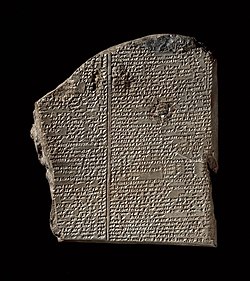


Your reading
Which translation to read
We pick the translation most faithful to the original, in sense and in form, over the newest or the easiest.
Andrew George1999Our pick
A scholar's translation from the tablets themselves, gaps marked as gaps: the real poem, as far as we have it.
Where it is set
- Uruk
Iraq
After Enkidu becomes civilized through sexual initiation with Shamhat, he travels to Uruk, where he challenges Gilgamesh to a test of strength. Source: Wikipedia, reviewed

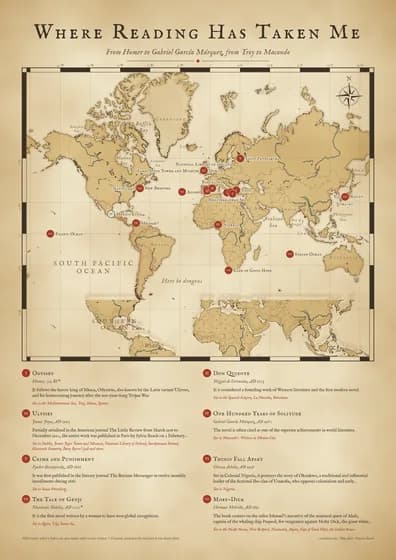 Put Epic of Gilgamesh on a mapAn engraved chart of every place it is set, to frame or to share. Add the other books you have read.
Its heirs
Later works that draw on Epic of Gilgamesh.