Aeneid
Aenēis

First published 50 BC, written in Latin
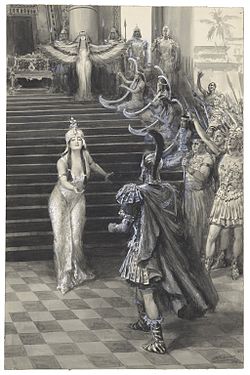
The Aeneid is a Latin epic poem that tells the legendary story of Aeneas, a Trojan who fled the fall of Troy and travelled to Italy, where he became the ancestor of the Romans. Written by the Roman poet Virgil between 29 and 19 BC, the Aeneid comprises 9,896 lines in dactylic hexameter. The first six of its twelve books tell the story of Aeneas' wanderings from Troy to Italy, and the latter six tell of the Trojans' ultimately victorious war upon the Latins, under whose name Aeneas and his Trojan followers are destined to be subsumed.
Draws on Iliad and Odyssey. 6 later works draw on it.See Aeneid in its lineage




Your reading
Which translation to read
We pick the translation most faithful to the original, in sense and in form, over the newest or the easiest.
Robert Fitzgerald1983Our pick
Elegant verse that keeps Virgil's gravity and his sorrow, close to the Latin in sense.
John Dryden1697
The great English Aeneid in heroic couplets; free with the Latin, but a classic in its own right.
Allen Mandelbaum1971
Close and musical, by a great translator of Dante and Ovid; won the National Book Award.
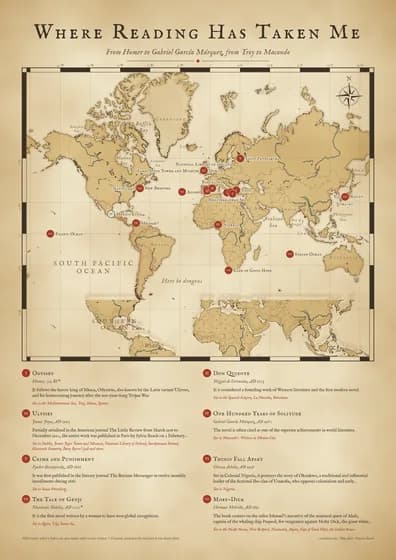
Where it is set
- Troy
Türkiye
The first six of its twelve books tell the story of Aeneas' wanderings from Troy to Italy, and the latter six tell of the Trojans' ultimately victorious war upon the Latins, under whose name Aeneas and his Trojan followers are destined to be subsumed. Source: Wikipedia, reviewed