Iliad
Ἰλιάς

First published 800 BC, written in Homeric Greek
The Iliad is one of two major surviving ancient Greek epic poems attributed to Homer. It is one of the oldest extant works of literature still widely read by modern readers. Like the Odyssey, the poem is divided into 24 books and was written in dactylic hexameter. It contains 15,693 lines in its standard edition. The Iliad is often regarded as the first substantial piece of European literature and is central to the study of classical philology.
4 later works draw on it.See Iliad in its lineage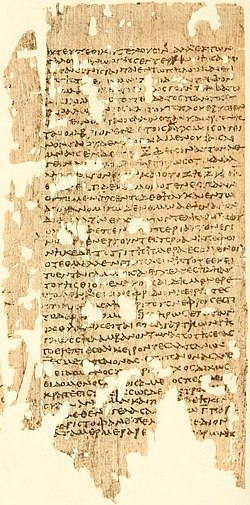


Your reading
Which translation to read
We pick the translation most faithful to the original, in sense and in form, over the newest or the easiest.
Richmond Lattimore1951Our pick
Line for line with the Greek, in long six-beat lines that echo Homer's hexameter, keeping his epithets, repetitions and similes as he made them. The most faithful verse Iliad in English.
Alexander Pope1720
A masterpiece of English poetry in rhyming couplets; read it for Pope as much as for Homer, since it often departs from the Greek.
Robert Fagles1990
Vivid, forceful verse, but freer: it expands and paraphrases where Lattimore stays with the Greek.
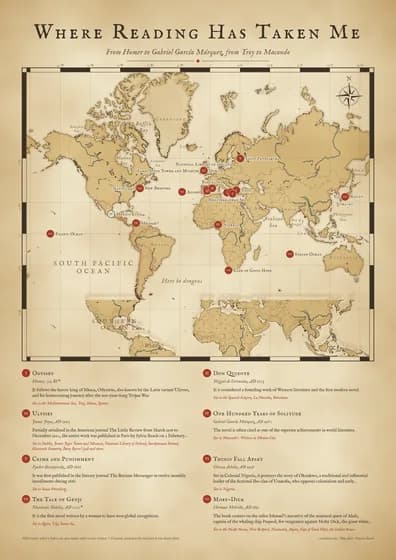
Where it is set
- Troy
Türkiye
Set towards the end of the Trojan War, a 10-year siege of the city of Troy by a coalition of Mycenaean Greek states, the poem depicts significant events in the war's final weeks. Source: Wikipedia, reviewed